Communication & AAC Support
Supporting communication, expression and understanding through AAC and communication strategies.
Communication is an everyday life skill
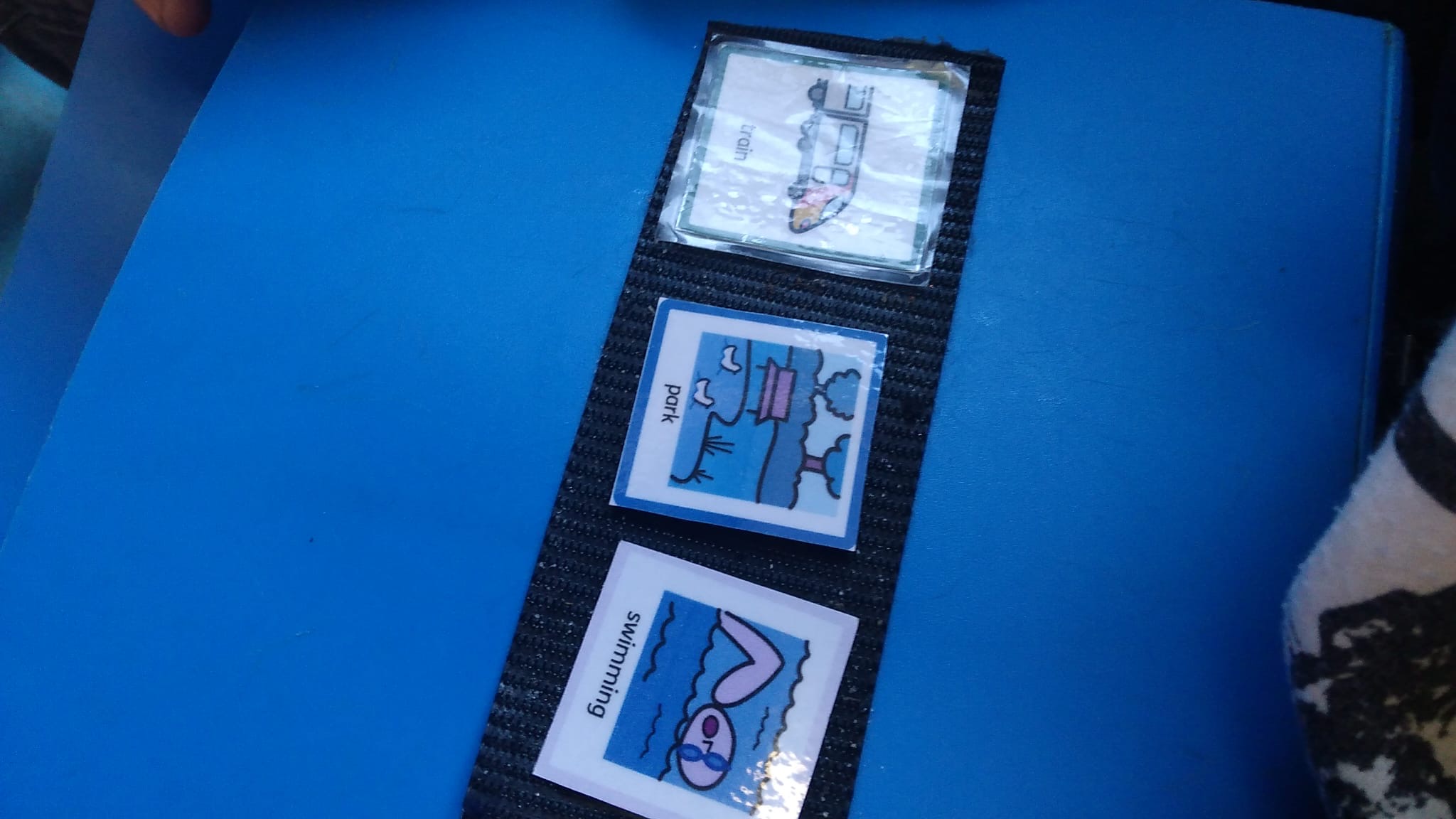
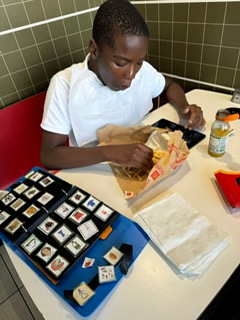
TishAbility supports people to communicate in ways that are meaningful to them. This may include speech, gesture, behaviour, facial expression, movement, sensory responses, objects of reference, photos, symbols, visual schedules, communication books, choice boards, AAC devices or supported decision making.
Communication is fundamental to relationships, autonomy and wellbeing. Everyone deserves to have their voice heard.
We do not replace speech and language therapists. Where communication approaches or AAC systems have been recommended by professionals, our role is to help them be used consistently and respectfully in everyday routines, activities, community access and relationships.
How We Support Communication
- • AAC Tools & Devices: Support with speech-generating devices, visual supports, communication books, sign language and other AAC systems
- • Communication Strategies: Supporting development and use of individualised communication approaches (visual timetables, now/next boards, communication symbols, gesture cues)
- • Practical Communication Support: Helping individuals, families and support networks use agreed communication approaches consistently in everyday settings
- • Supporting Self-Expression: Supporting individuals to communicate their views, preferences and needs in everyday contexts (family, school, community)
- • Understanding Others: Supporting individuals to understand others' communication and reduce barriers to comprehension
Who Might Benefit?
Communication support is for disabled children, young people and adults who:
- • Use non-verbal or alternative communication methods
- • Have difficulty expressing themselves or being understood
- • Are developing communication skills
- • Need support with specific AAC tools or strategies
Our Role and Boundaries
We do not replace speech and language therapists. Where communication approaches or AAC systems have been recommended by professionals, our role is to help them be used consistently and respectfully in everyday routines, activities, community access and relationships.
We provide non-regulated communication support. Communication is not something we "deliver" in isolated sessions—it is something we support and enable in the places and relationships where life actually happens.
Communication Support in Action